
Design the fit
We keep the enclosure, optical channel and controls in the same design. Moving one changes what we can ask of the others.
Corridor Numerics / Gen 2
A camera phone, a notebook for the road and a desktop for the workbench.
In development These are renderings of our Gen 2 engineering designs. Our first planned build is the proof of concept aperture instrument.
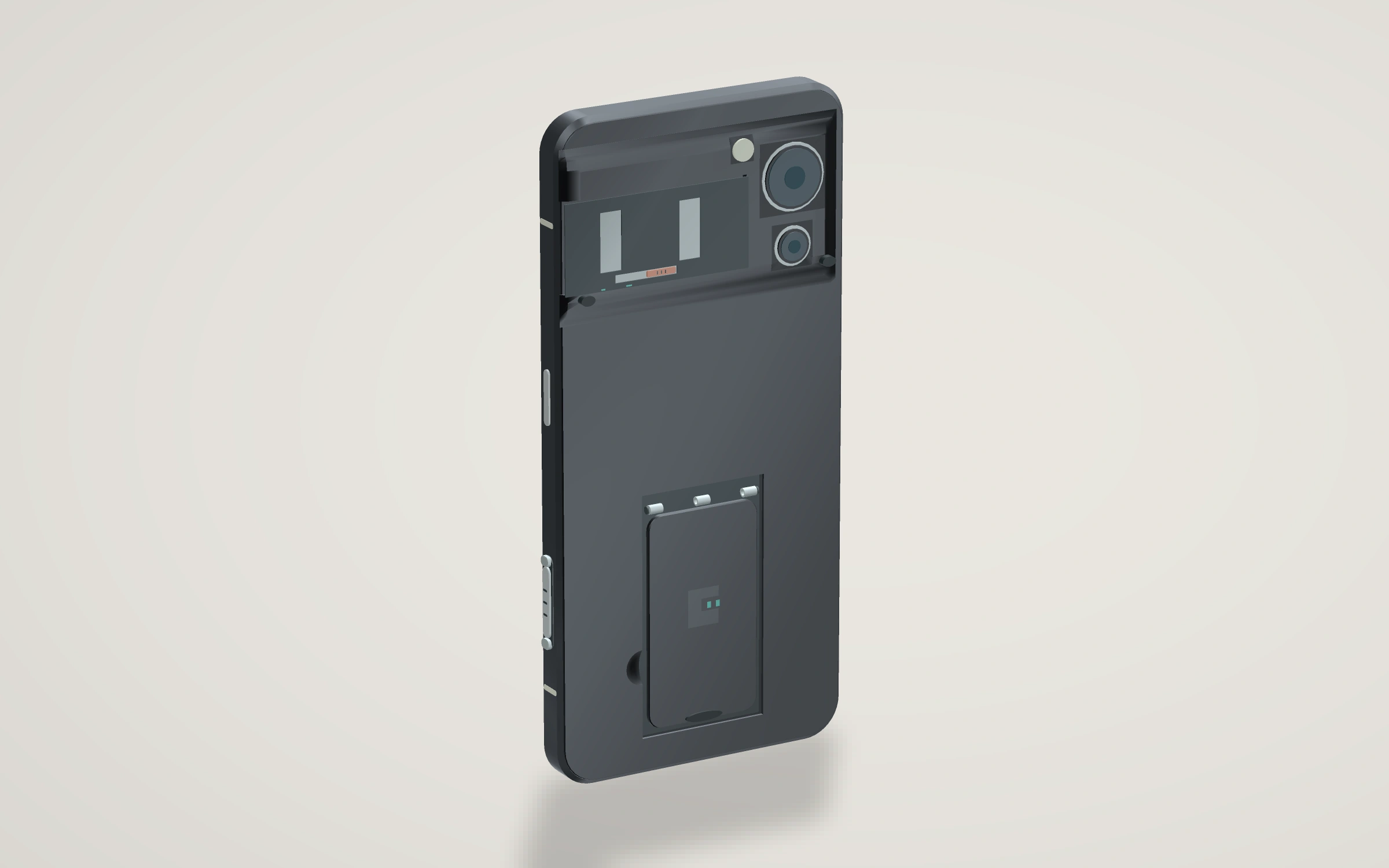
Integrated / Camera phone
Prop the phone on a table for a photograph or a call. Lift the slim stand from the back, then fold it flush beside the camera terrace.
Look closer
Gen 2 / Design film
The film places our five Gen 2 engineering designs on a limestone terrace above the Red Sea. Watch the light move across their rendered surfaces and controls.
Integrated line / Gen 2
Three personal computers and two instruments, designed in Giza. Explore the handling details of each design, from a phone that stands on its own to a lab station built around a repeatable reading.
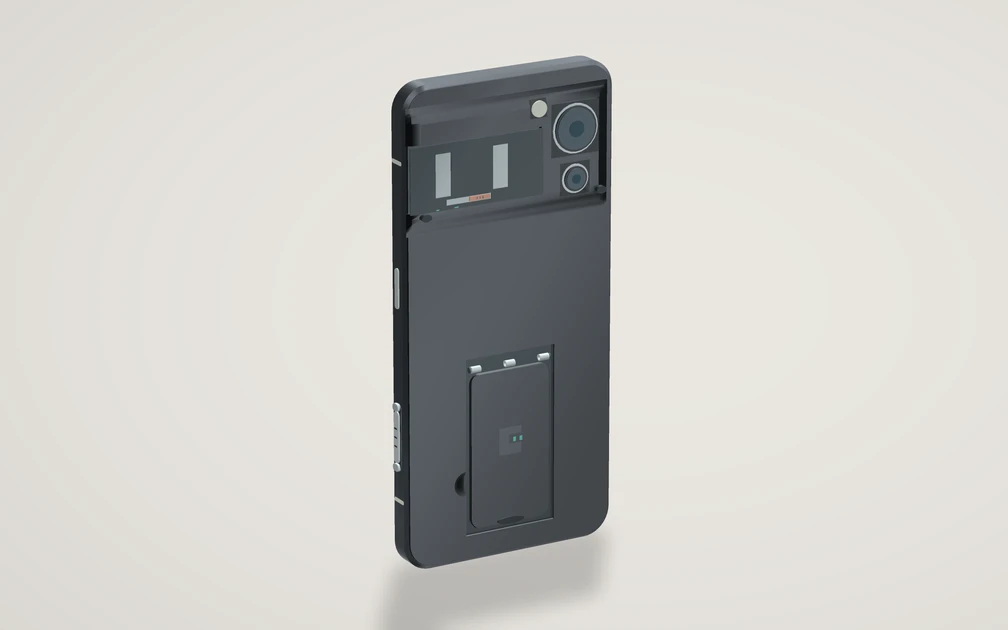
The stand folds flush into the back and props the phone for a shot or call.
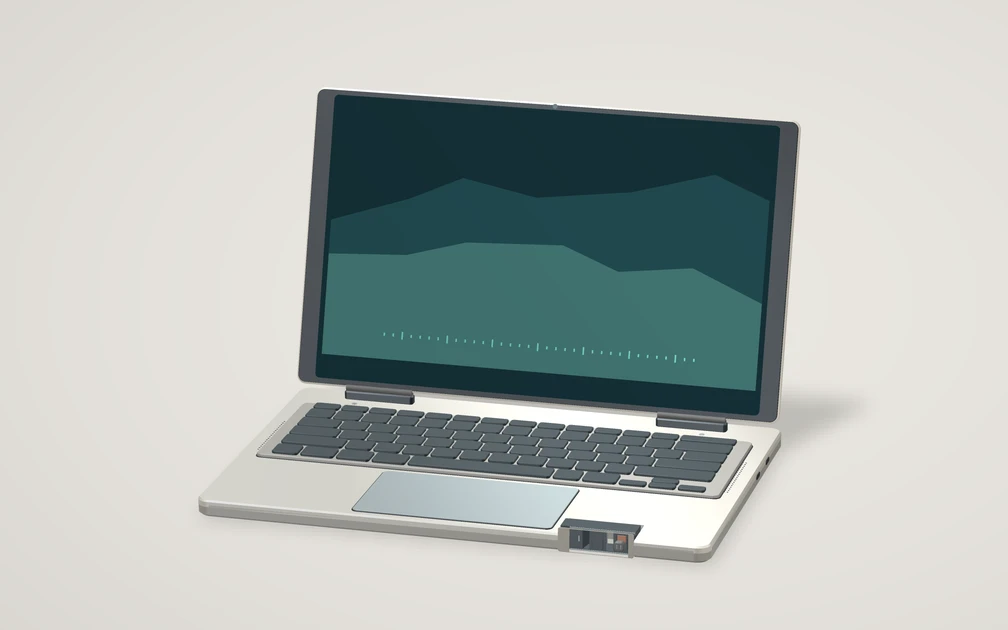
A front-edge recess gives your thumb a place to lift the lid.
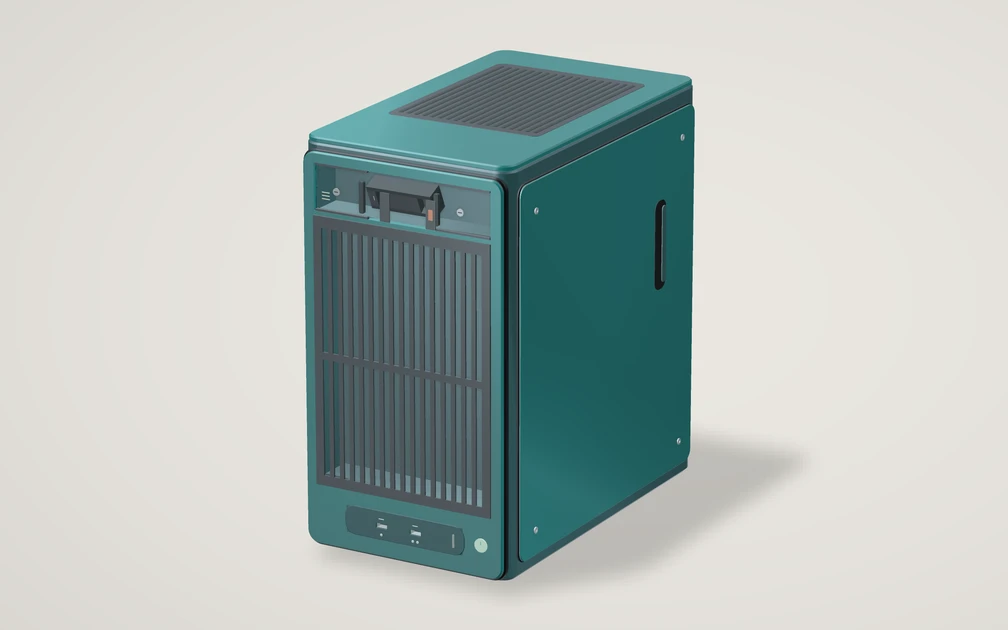
Front-facing connections put the everyday ports within reach.
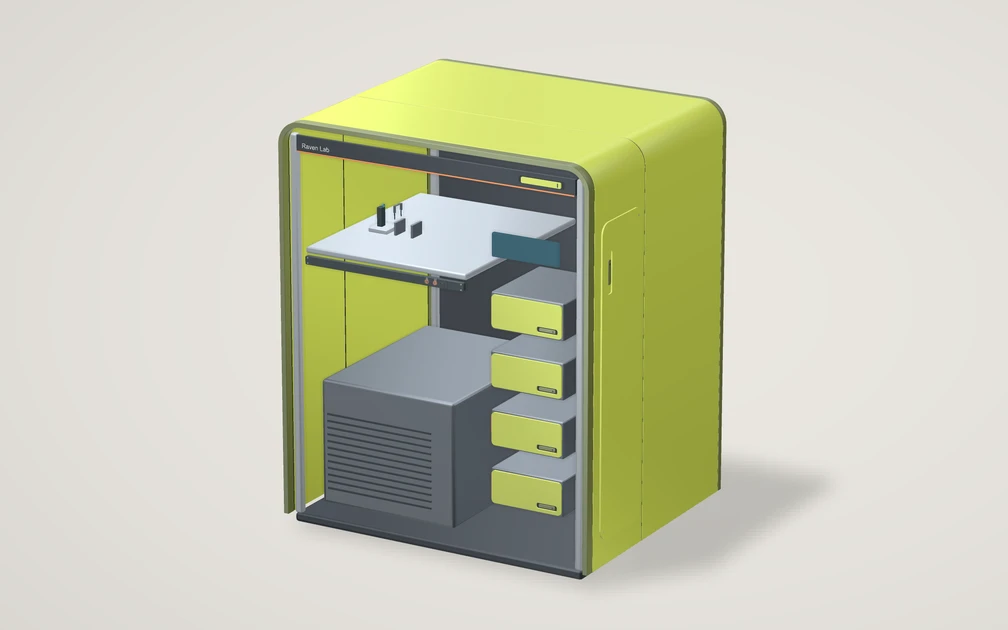
A reference built into the station gives the operator a way to repeat a reading.
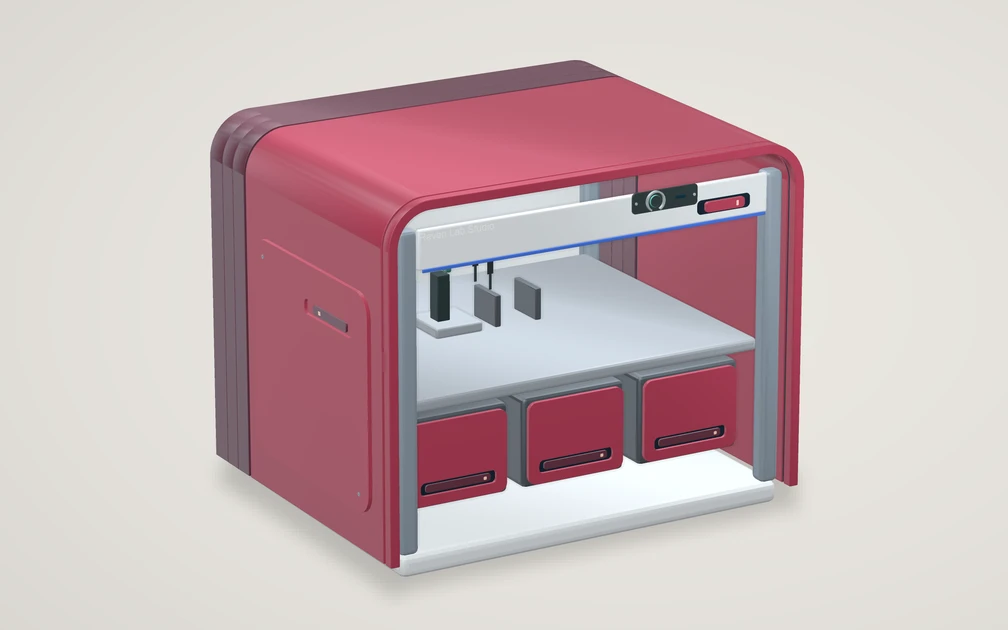
A guarded acquisition key lets a second operator repeat a run without seeing the selected state.
Gen 2 design studies · Product visualisations
Design & engineering / Inside Gen 2
A phone has to sit comfortably in your hand. In the myPip design, the light path follows the body and the stand folds into the back. Keeping those details together shapes what we design ourselves, what we source and what we test.
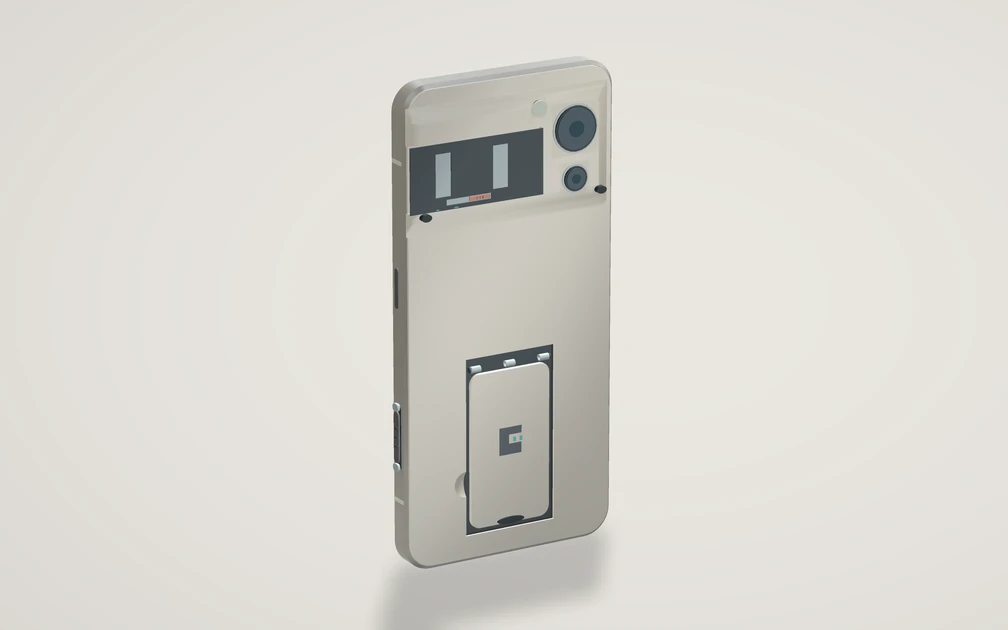
We keep the enclosure, optical channel and controls in the same design. Moving one changes what we can ask of the others.
For the first bench build, we plan to pair locally cut openings with separately sourced lights and detectors. That lets us change one part and repeat the measurement.
Our proposed device trial compares an optical reading with the same task on an ordinary processor. Accuracy, energy use and the ability to recover from a bad reading all matter.
Research behind the line
Two openings can have the same area and depth yet transmit different amounts of light. Our published paper explains how the shape and direction of illumination account for that difference. The companion bench plan sets out how to test it.
Explore the study and interactive figure Read the paperArchive / First design study
Filmed before Design 27. This 45-second study follows the earlier detachable concepts. The phone sheds its Field Back, the notebook lifts its key deck and the desktop brings its sensor to the work.
On myPip, a rear panel carrying two optical windows slides away. The ordinary phone turns towards its camera view. myRoam’s keyboard deck rises and settles back into the notebook beside a separate desk head. myGrove’s side panel opens before its cabled sensing bar travels across an indexed mat. The three concepts appear together at the close.
Research & industry
Explore the published aperture geometry, the integrated device designs and the experiments that could establish a useful physical result.
Explore partnerships